Keynote Speaker on Burnout, Sustainable Performance, and Leadership
A Different Perspective on Burnout and Performance.
Trusted by …

For decades, burnout was considered to be the fault of the ‘individual’. Leaders assumed that if the system worked for most people, the employee struggling to cope must be the problem.
Forward-thinking organizations implemented strategies to help. Wellness programs, stress management training, and productivity hacks were introduced, but often missed their mark. Leaders remained stretched and teams disengaged, because underlying patterns of how work is organized, paced, and expected to be delivered largely stayed the same.
Now, forward-thinking organizations are recognizing that sustainable burnout mitigation requires a broader lens. One that helps create a clearer understanding of how work is actually experienced, and where small, intelligent adjustments can make a meaningful difference.
The future of burnout mitigation is shared responsibility between individuals, organizations, and the people who lead them.
That connection is where real change begins.


“I have never received such overwhelming positive feedback on a speaker! THANK YOU!”
— Caroline Justice Holst, Senior Events Manager, MPI
Why Performance and Burnout Are Being Addressed at the Wrong Level.
Despite good intentions, burnout is still prevalent in many organizations. Although employees are working harder to manage self-care, leaders are responding more thoughtfully, and organizations continue to invest in wellbeing, the experience of work remains demanding, heavy, and difficult to sustain.
When we look more closely, it becomes clear why. Attention has stayed on visible symptoms - helping people cope, adapt, and stay resilient - while the everyday realities shaping pace, expectation, workload, and recovery continue largely unchanged. Burnout persists, because the forces creating pressure inside the work itself have not yet been fully discovered or examined.
Until the experience of work itself is better understood, even the best intentions struggle to translate into lasting progress.

What Changes When People Can See Work More Clearly.
When people connect more deeply with how they experience work, something subtle but important shifts. What once felt like individual struggle is recognized as something shared, shaped by how work is structured, paced, perceived, and sustained. Pressure stops feeling abstract or personal and starts to make sense.
That clarity changes how work is approached. Individuals stop compensating in isolation and gain language for what has been draining their energy or narrowing their focus. Leaders begin to see where expectations, pace, and decision-making are creating friction, even when intentions are good. Conversations become more grounded, less defensive, and more honest, because the problem is no longer framed as a failure of effort or a need for more resilience.
As this awareness grows, organizational momentum starts to return. Energy is spent more deliberately. Decisions are made with greater clarity. Small adjustments start to feel possible because the system itself is more visible.
This is often the moment when work starts to feel sustainable again. Not because pressure disappears, but because it is finally understood.
Where This Perspective Resonates
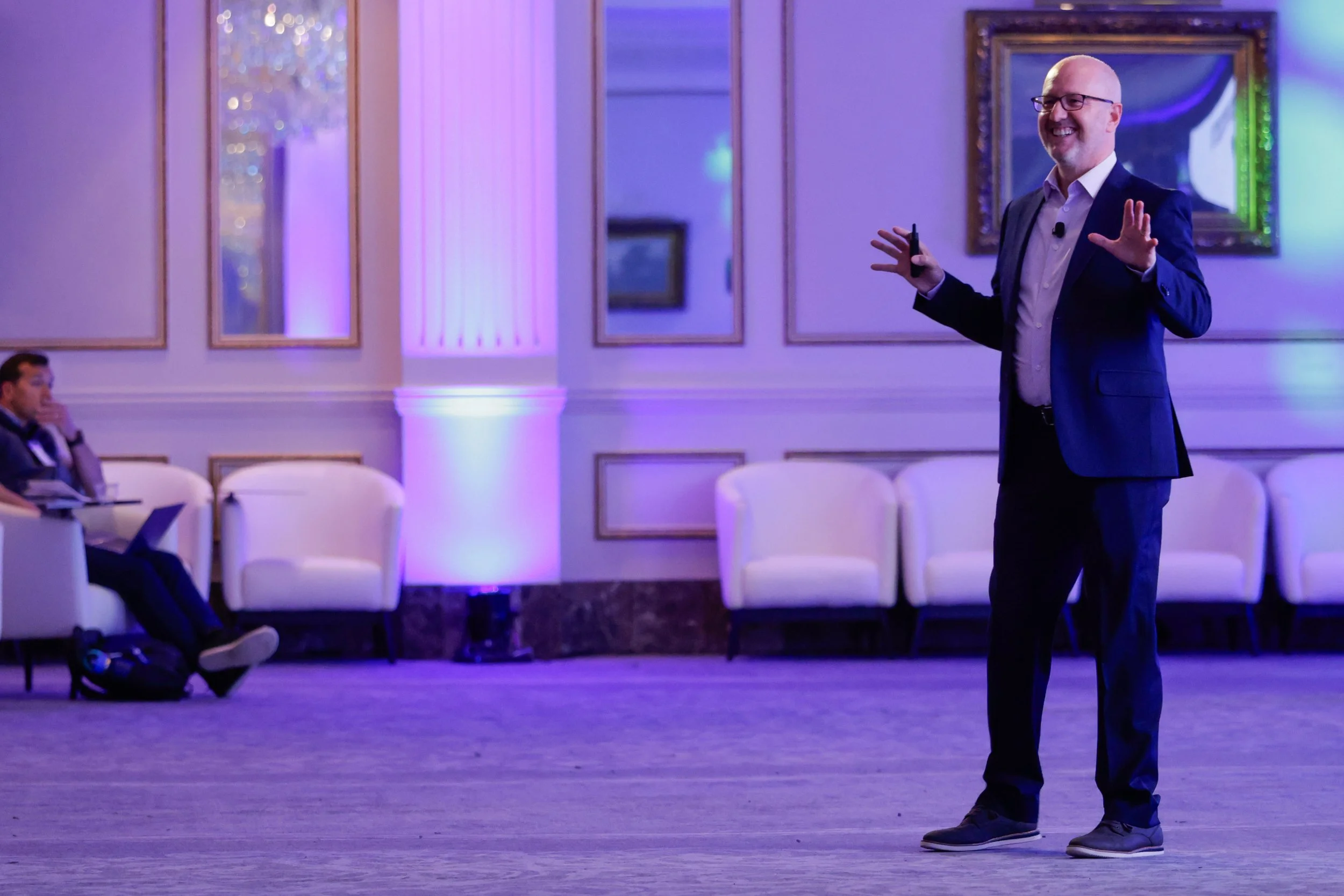
My keynotes and breakout sessions resonate most strongly in organizations navigating sustained pressure, complexity, and change. They have the greatest impact where performance has plateaued or begun to decline, and where maintaining results is coming at an increasing personal and organizational cost.
At the heart of this work is a perspective that speaks to leaders who want to support their people without relying on pushing harder or asking more of already stretched teams. This approach lands with organizations seeking to sustain high standards while protecting clarity, energy, and long-term effectiveness – and who are ready to look more closely at how success is actually being achieved.
What This Creates in the Room
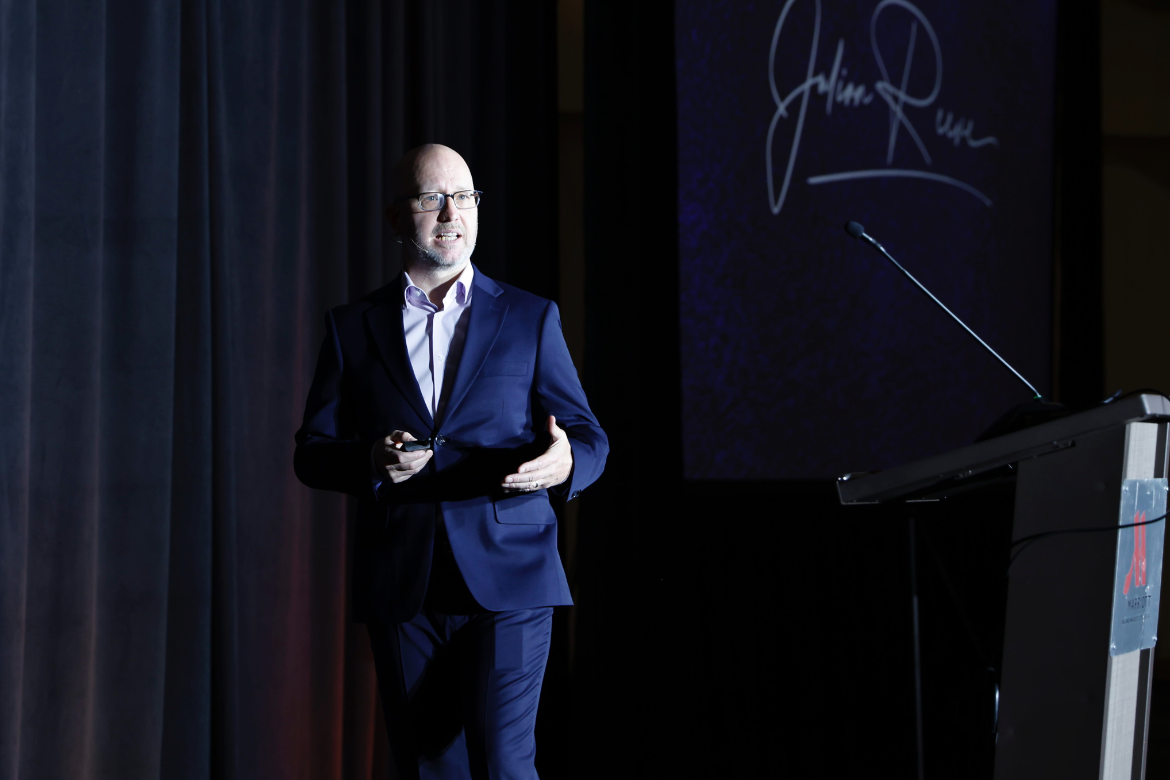
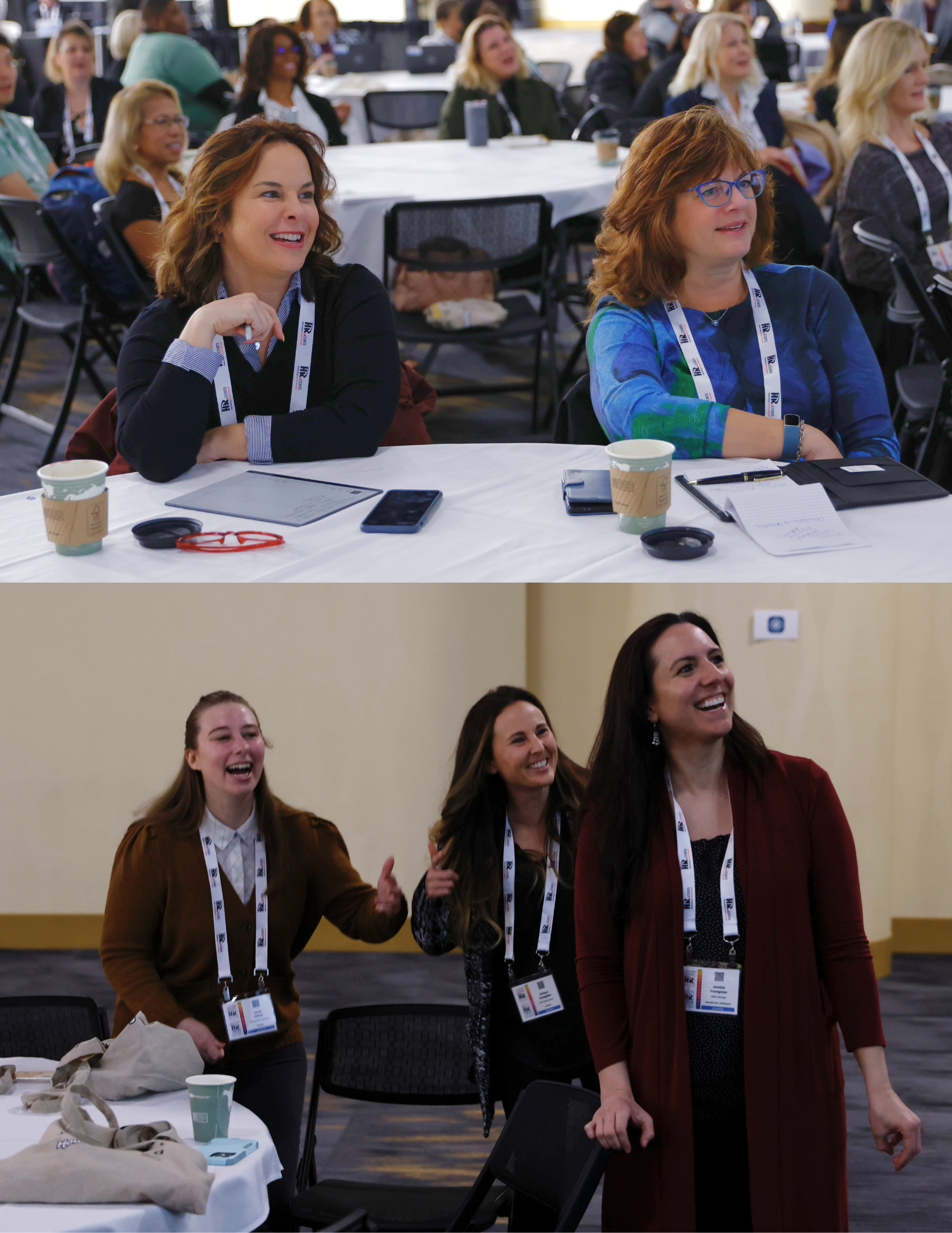
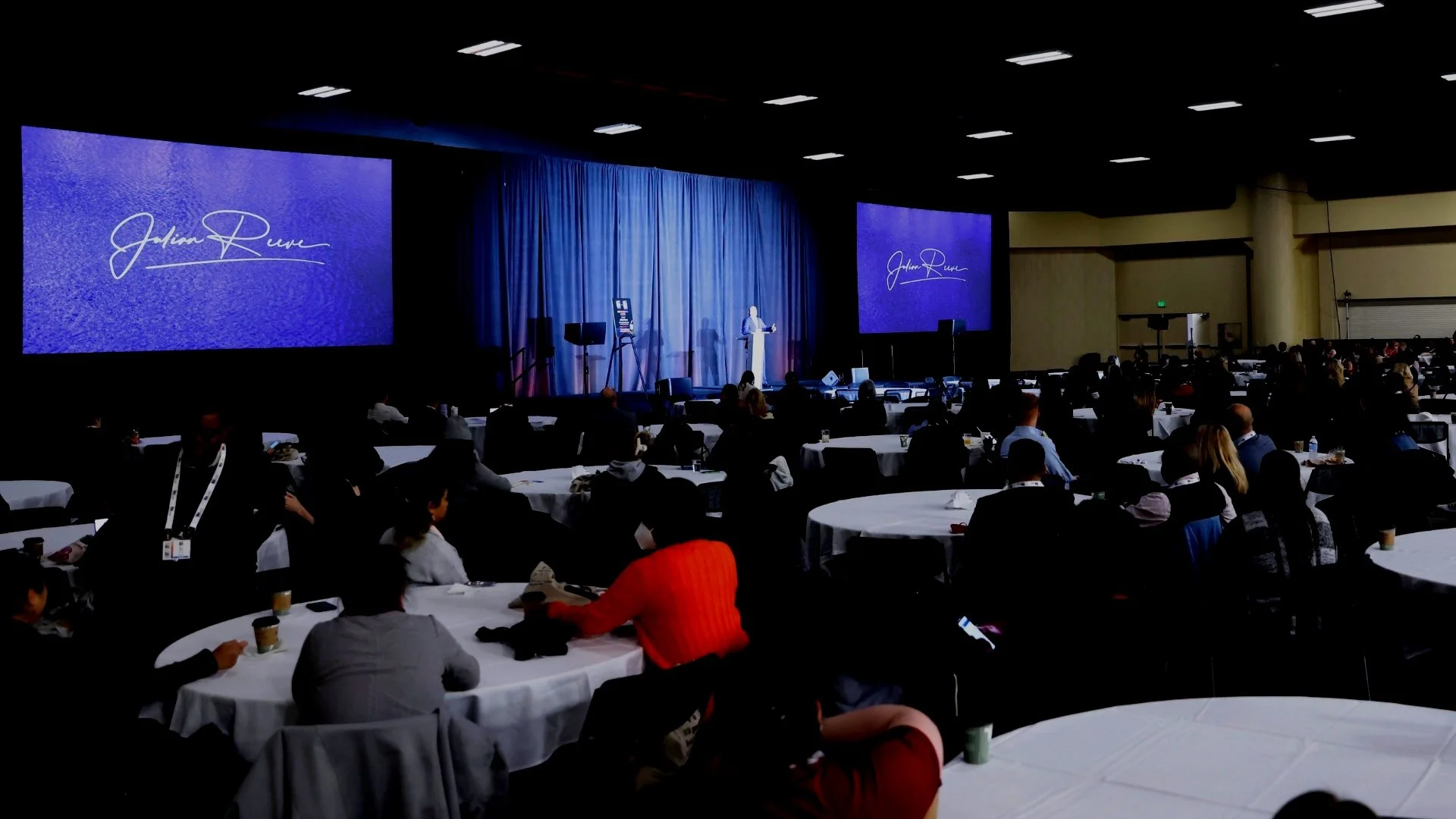
Right from the walk-on music, my keynote connects the audience to lived experience. Leaders and employees recognize that they are navigating the same reality, and for the first time begin to see that sustaining performance under pressure requires shared ownership, not individual endurance.
That recognition shifts the room. People become more open, more honest, and noticeably less defensive. A different quality of attention emerges. There is laughter, recognition, and a collective sense that something important has been named without anyone being blamed.
Questions become more thoughtful. Instead of debating effort or motivation, the conversation turns toward how work is actually being experienced, and what might need to change for it to become more sustainable.
For many organizations, this is the first time conversations about pace, pressure, and trade-offs are held with shared language and mutual understanding. That shared understanding creates clarity, alignment, and momentum that extends well beyond the room.


“You were a breath of fresh air. I’ve had SO many great comments!”
— Lottie McKinnon, Program Director, Teleflora
What Audiences Take Away.
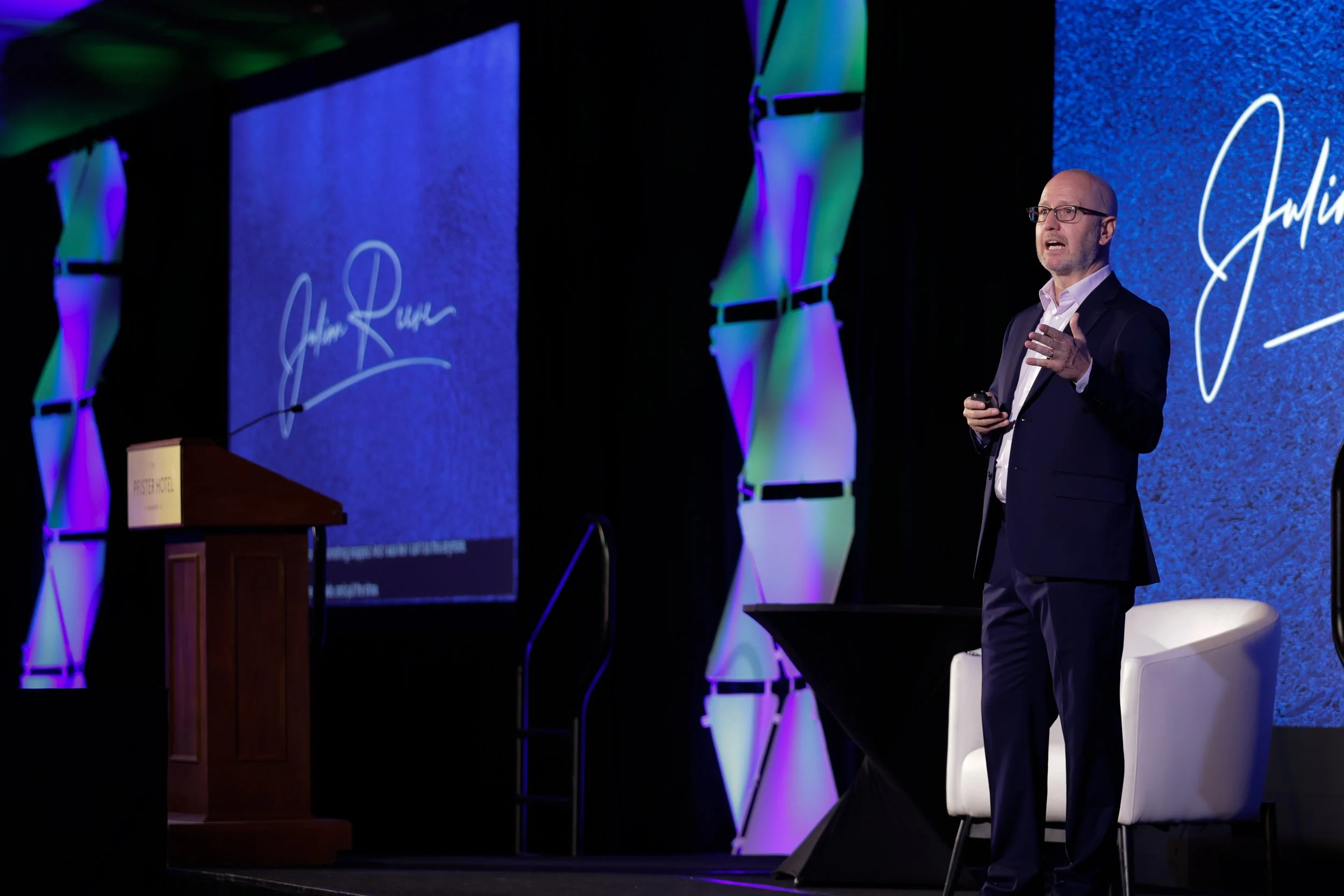
From an individual perspective, audiences leave with a clear understanding of the Perfect Equilibrium® methodology and the four internal systems that shape how pressure, performance, and recovery are experienced. Rather than vague advice, people gain practical insight into how their own patterns of energy, awareness, compassion, and capability interact, and where small adjustments can make work feel more sustainable without sacrificing ambition.
At an organizational level, leaders and teams gain the same clarity applied systemically. They leave with a shared understanding of the four organizational systems that shape pace, expectation, decision-making, and recovery, along with a strategic lens for identifying where pressure is being unintentionally generated or sustained. This creates a common reference point for conversations about burnout that moves beyond symptoms toward meaningful change.
What makes this work endure is that it equips both individuals and organizations with the same language, structure, and perspective. Leaders are not left carrying insight alone, and employees are not asked to adapt in isolation. Instead, both sides are better positioned to respond to pressure intelligently and find a more sustainable equilibrium in how work is designed and experienced.

About Julian Reeve.
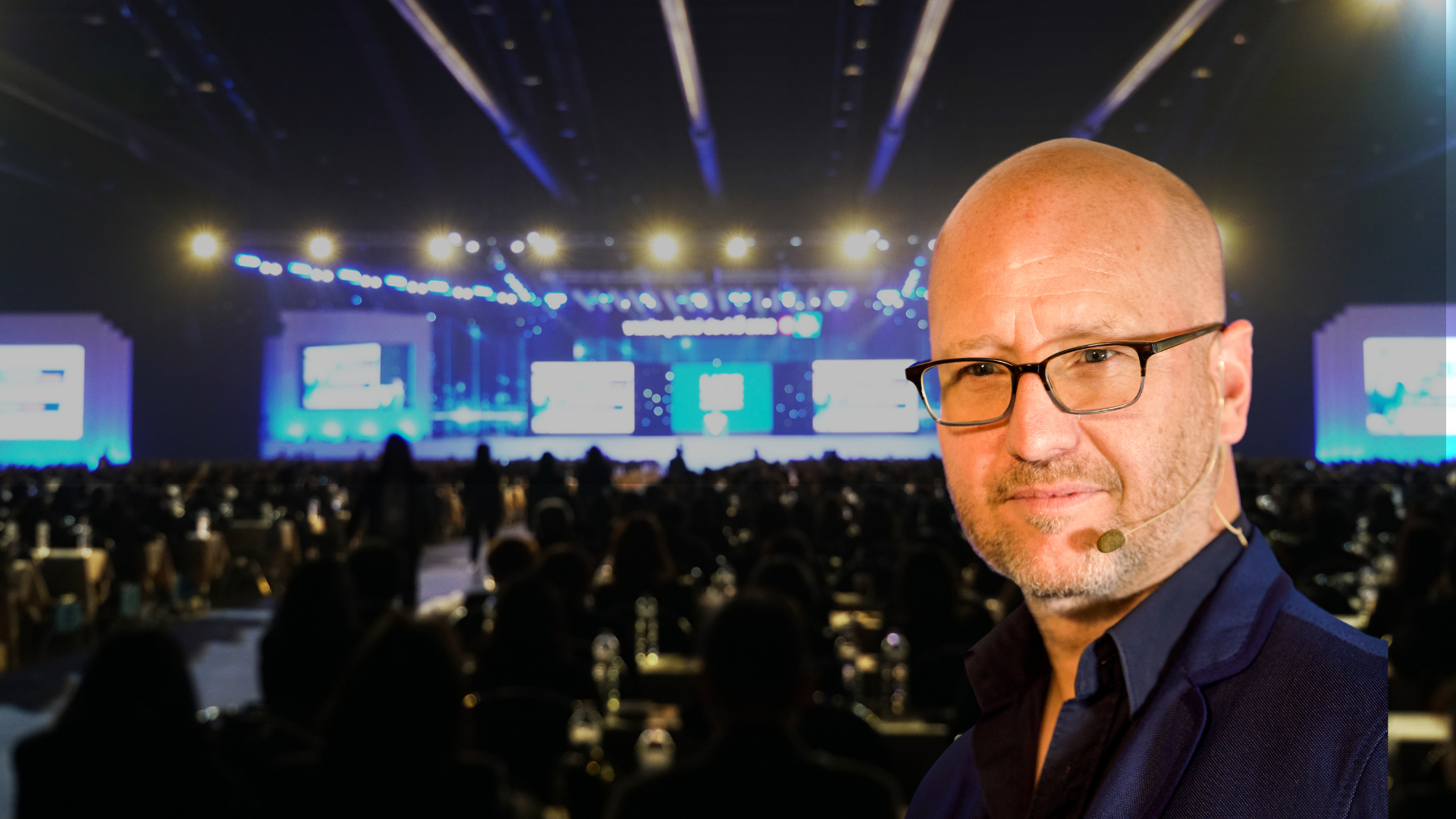
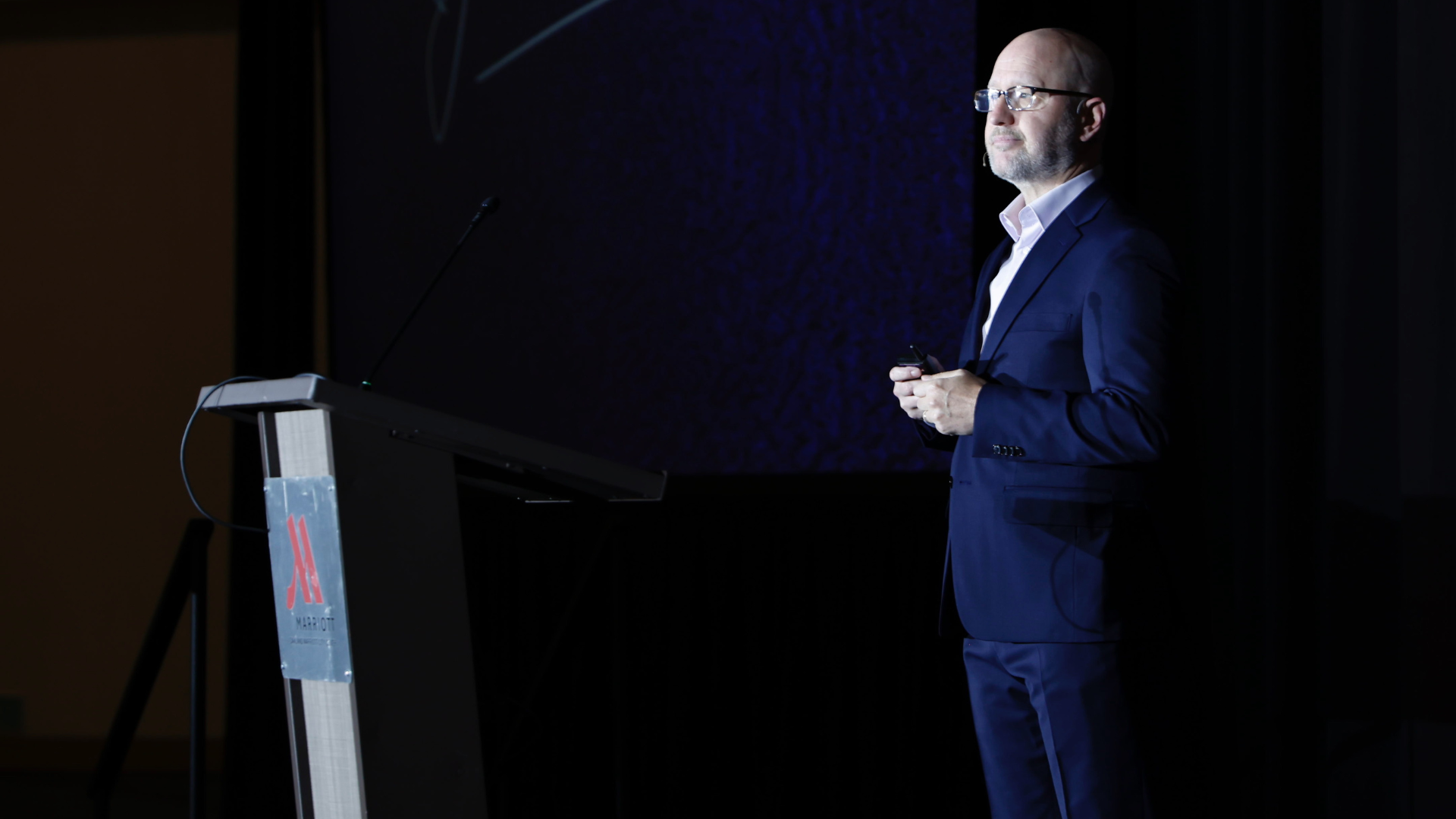
Julian Reeve is a keynote speaker and executive coach whose work focuses on burnout, sustainable performance, and leadership under pressure. His perspective has been shaped by years spent performing in high-level creative environments where expectations are great, pace is relentless, and success is often sustained at a personal cost that goes unexamined. It is further informed by his experience founding and leading multiple businesses, giving him direct experience of the responsibility, ambiguity, and sustained demand faced by modern leaders and organizations.
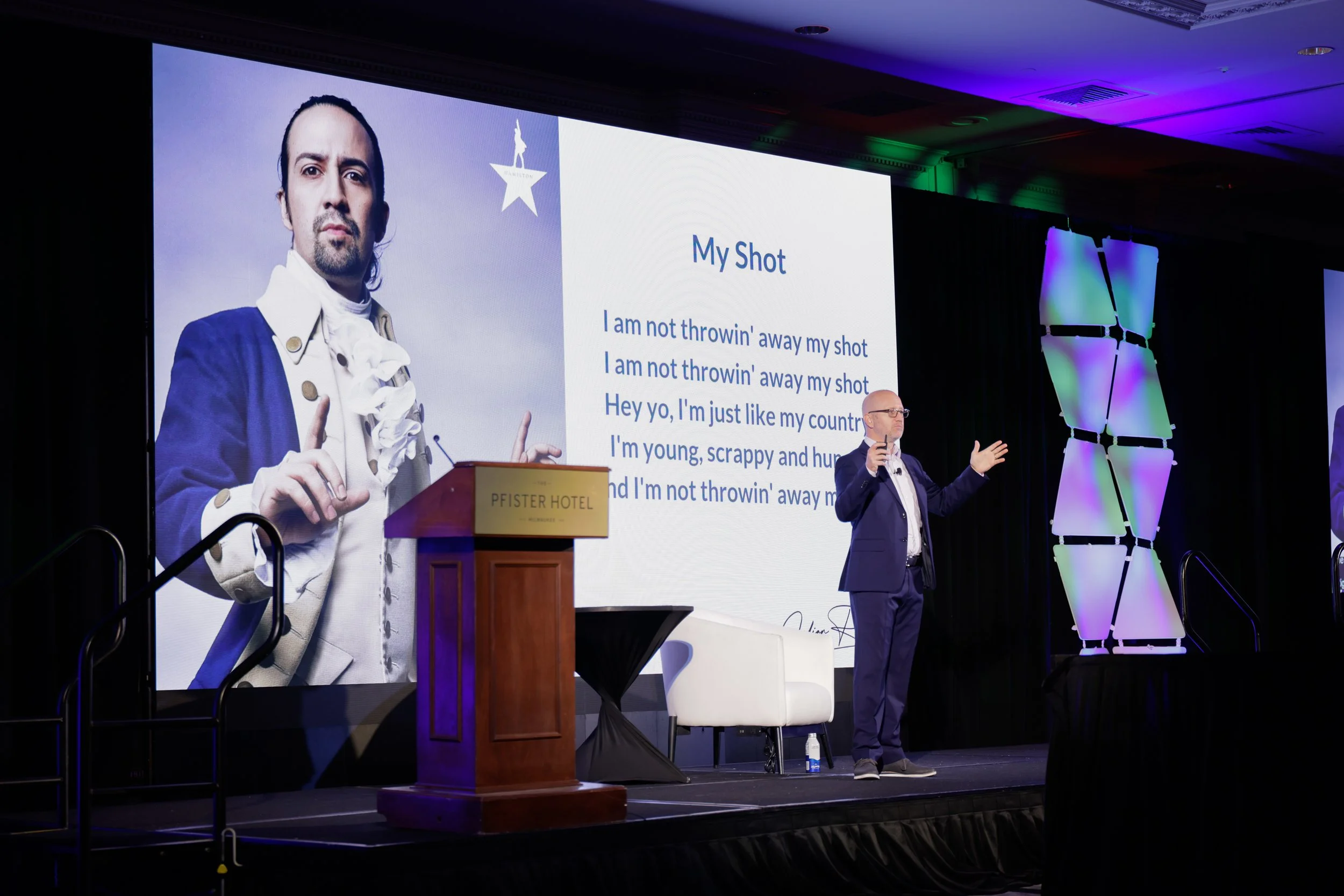
In his early forties, while serving as Music Director for the Broadway musical, Hamilton, Julian experienced a stress-related heart attack. At the time, he was deeply committed to his work and doing everything he believed was required to perform at a high level. This experience fundamentally changed how he understood pressure, endurance, and the unseen systems that quietly shape how work is done and sustained.
Julian now works with organizations across technology, healthcare, finance, education, and professional services, including GE Aerospace, Teleflora, HR.com, MPI, and other global organizations navigating sustained pressure and change. He also serves in advisory and thought leadership roles within the HR and leadership space, helping shape how burnout, performance, and sustainability are being understood and addressed, through his framework, Perfect Equilibrium®.
Julian’s keynotes do not offer solutions in isolation. They offer deep insight into how work is actually being experienced in organizations and where meaningful change is possible. They create clarity, shared language, and recognition, allowing people and organizations to move forward with greater intention and sustainability.
What They Say...
“Julian’s keynote was engaging, rich in information, beautifully executed, and exactly what our ERG leaders needed. He had the whole room taking notes and participating and I would absolutely recommend him to anyone.”
— Julie Rasfeld, Culture & Employee Experience Leader, GE Aerospace
“The real deal! Julian’s incredible transparency and insights had our audiences fully engaged.”
— Catie Briggs, Senior Content Manager, Evanta
“Edifying, instructive, and full of wisdom. The storytelling ran deep and tapped into a place that most people, if they’re even aware of it, often ignore. I’m incredibly thankful for the resources that you provided our employees, too.”
— Darlene Gallinger-Long, Account Specialist, The Standard
“Your message had a huge impact on our teachers. You really helped them reconnect with why they do what they do, and how to do it in healthier ways.”
— Taera Childers, Regional Principal, Learn4Life Network
“A powerful and informative talk for our community. Thank you so much for sharing!”
— Emily Jarvis, Senior Manager of Events, GovLoop

If This Perspective Feels Aligned.
If this perspective resonates, the next step is a simple conversation.
I’d love to understand what’s happening in your organization, the pressures your people are navigating, and what you want your audience to leave the room seeing more clearly. From there, I can shape a keynote that meets your organization where it is and speaks directly to the reality it’s working within.
If it feels aligned, you’re welcome to book a call below.